Pool Design Planning
By HomePros Editorial Team
Direct answer
Pool Design Planning
A comprehensive guide to pool design planning for your pool and spa building project. Learn about costs, materials, installation processes, and best practices. Use this guide for materials, cost drivers, process, and questions to ask before you hire — then request a free estimate when ready.
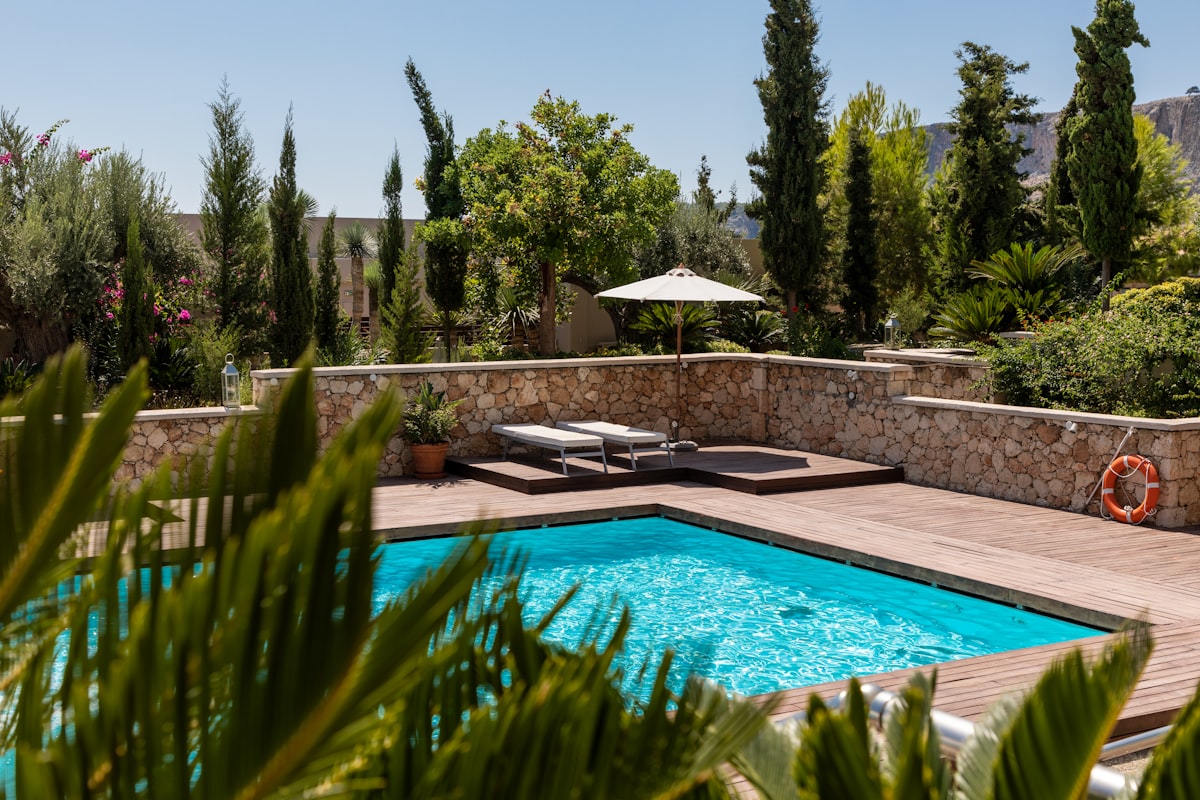
Pool Design Planning
pool and spa building projects involve complex systems that must work together reliably in a demanding environment — one that combines water, chemicals, electrical components, and structural elements in constant interaction. Unlike most home improvements that operate in dry, stable conditions, swimming pools and spas face continuous exposure to chlorinated or salt-treated water, pressure differentials from hydrostatic forces in the surrounding soil, and the expansion and contraction cycles driven by temperature changes. Understanding Pool Design Planning in this context means recognizing how decisions about structure, equipment, finishes, and water chemistry interact and influence each other over the service life of the installation.
A pool is fundamentally a water containment vessel with a circulation and treatment system attached. Every component — the shell structure, the plumbing network, the pump and filter, the heater, the chemical management system, and the interior finish — must be specified and installed correctly for the entire system to function properly and last its expected service life of 20 to 50 years for the structure and 10 to 25 years for interior finishes and equipment. The decisions made during design and construction determine not just how the pool looks on day one but how reliably it operates and how much it costs to maintain for every year thereafter.
Site Preparation and Excavation
Site work for pool and spa building construction involves far more than simply digging a hole. A geotechnical survey should evaluate soil composition, bearing capacity, and groundwater conditions before design is finalized. Expansive clay soils that swell when wet and shrink when dry — common across much of the southern and western United States — require over-excavation (removing 2 to 4 feet of expansive soil and replacing it with compacted select fill) or engineered structural slabs to prevent the pool shell from being subjected to soil movement forces that can crack concrete and shear plumbing. High water tables require dewatering systems — well points and pumps — during construction and may necessitate hydrostatic relief valves in the pool floor to prevent groundwater pressure from lifting the empty shell.
Access for excavation equipment is a practical consideration that significantly affects cost. A standard track excavator requires approximately 8 feet of width clearance and can traverse moderate slopes, but steep terrain, narrow side yards, overhead utility lines, or septic system locations can require smaller equipment with lower production rates — or in extreme cases, hand excavation. Excavated soil volume typically exceeds the pool hole volume by 20 to 35 percent due to the expansion that occurs when compacted soil is loosened, and this excess material must be removed from the site unless it can be used elsewhere on the property for grading or landscaping features. Soil removal costs $200 to $800 per truckload depending on local disposal fees, and a standard 600-square-foot pool generates 8 to 15 truckloads of excess soil — a cost often omitted from initial estimates. Rock excavation, if encountered, can add $5,000 to $20,000 or more depending on rock type and volume. A pre-excavation site assessment that includes probing for rock and a realistic evaluation of access conditions prevents surprises that can derail budgets.
Pro Fact
A well-designed in-ground pool adds 5-7% to home value on average, with the highest returns in warm climates — but the primary value is lifestyle enhancement; pools rank as the #1 'joy score' home improvement at 10/10.
Source: NAHB / PHTA 2025 Pool Market Report
Water Chemistry and Sanitation Systems
Maintaining safe, comfortable, and clear pool water requires managing multiple chemical parameters that interact with each other — changing one parameter often affects others. Free chlorine levels should be maintained at 1 to 3 parts per million for residential pools, with cyanuric acid (stabilizer) at 30 to 50 PPM to protect chlorine from UV degradation in outdoor pools. The relationship between these two is important: cyanuric acid slows chlorine's sanitizing action, and at levels above 100 PPM — a common problem in pools that use stabilized chlorine products exclusively — chlorine becomes significantly less effective, potentially allowing algae and bacterial growth even when test strips show adequate chlorine levels. The only practical solution for high cyanuric acid is partial water replacement.
pH should be maintained between 7.2 and 7.6, with the lower end of this range providing more effective chlorine sanitation and the higher end being more comfortable for swimmers' eyes and skin. Total alkalinity — the water's buffering capacity — should be 80 to 120 PPM, as alkalinity below this range allows pH to fluctuate rapidly while alkalinity above this range makes it difficult to adjust pH. Calcium hardness should be 200 to 400 PPM; low calcium hardness causes the water to become aggressive, leaching calcium from plaster and grout, while high calcium hardness causes scaling — white calcium carbonate deposits on pool surfaces, inside plumbing, and on equipment.
Salt chlorine generators have become the dominant sanitation method for new residential pool construction, representing approximately 65 to 75 percent of new installations. These systems use electrolysis to convert dissolved salt (typically 2,700 to 3,400 PPM — roughly one-tenth the salinity of seawater) into chlorine, eliminating the need to handle and store chlorine products. The initial cost of $1,200 to $2,500 for equipment and installation is offset by eliminating ongoing chlorine purchases, typically saving $300 to $600 annually. The salt cell requires replacement every 3 to 7 years at a cost of $500 to $900, and salt water is corrosive to certain metals — pool ladders, light fixtures, and heater heat exchangers must be specified for salt water use. Alternative sanitation systems include ozone generators, which inject ozone gas into the circulation system as a powerful oxidizer that reduces chlorine demand by 50 to 80 percent, and ultraviolet systems that use UV-C light to destroy pathogens and break down chloramines — the compounds responsible for the "chlorine smell" and eye irritation associated with pools. Both ozone and UV are supplemental systems that reduce but do not eliminate the need for a chlorine or bromine residual in the water.
What's the most popular pool type in the US?
What's your ideal pool design?
Pool Types: Construction Methods and Characteristics
Three primary construction methods dominate the residential pool market, each with distinct characteristics. Gunite or shotcrete pools — pneumatically applied concrete sprayed over a steel rebar framework — represent the premium end of the market. They offer complete design flexibility in shape, size, and depth; can incorporate complex features like vanishing edges, beach entries, and integrated spas; and have an expected structural lifespan of 50-plus years. The construction process takes 8 to 12 weeks for a standard pool, with costs typically ranging from $50,000 to $100,000 for a basic installation and $100,000 to $300,000 or more for high-end projects with features. The interior finish — plaster, pebble, quartz, or glass bead — requires replacement every 10 to 20 years at a cost of $5,000 to $15,000 for a standard-sized pool, making this a significant lifecycle cost consideration.
Fiberglass pools are manufactured as single-piece shells in a factory and delivered to the site for installation in an excavated hole. Installation is significantly faster — typically 2 to 4 weeks from excavation to swimming — and the gel coat interior finish resists algae growth and staining better than plaster and never requires replacement. Fiberglass pools cost $30,000 to $60,000 for the pool itself including installation, with additional costs for decking, fencing, and landscaping. The primary limitation is size and shape: fiberglass shells are limited to approximately 16 feet in width to accommodate highway transport, and the available shapes are determined by manufacturer molds rather than custom design. In regions with high water tables or expansive soils, engineering requirements for fiberglass pool installation can add significant cost due to the need for gravel backfill, dewatering systems, or concrete collars to prevent shell movement.
Vinyl liner pools use a flexible PVC liner stretched over a wall panel structure — typically steel, aluminum, or polymer — with a sand or vermiculite floor. They offer the lowest initial cost at $25,000 to $45,000 for a standard installation and allow customization of shape. Liner replacement is required every 8 to 15 years at a cost of $3,000 to $6,000, and liners are susceptible to punctures from sharp objects, pet claws, and pool cleaning equipment that catches edges. Polymer wall panels provide superior corrosion resistance compared to steel in areas with aggressive soil chemistry or high groundwater, though at a higher material cost. Vinyl liner pools make up approximately 35 to 40 percent of the in-ground residential pool market in the United States, with higher market share in the Northeast and Midwest where lower construction costs and shorter swimming seasons favor their lower initial investment.
Questions to Ask During Planning
- What is the groundwater level on my property, and how does it change seasonally? This information — available from county soil surveys, well logs, or a geotechnical investigation — determines whether hydrostatic relief valves, dewatering systems, or additional structural reinforcement are needed. High groundwater can also affect soil bearing capacity for decking and structures.
- What is my electrical service capacity? Pool equipment — particularly electric heat pumps, which draw 30 to 50 amps — can require significant electrical capacity. Confirming that your electrical panel can accommodate the planned equipment before construction begins prevents the surprise cost of a service upgrade.
- How will drainage be managed during construction and after completion? An excavation creates a collection point for surface water, and unprotected excavations can collapse or fill with water during rain. Post-construction, deck drainage should direct water away from the pool, not into it — runoff carries soil, fertilizer, and debris that affect water chemistry and clarity.
Need personalized advice?
Building a Pool That Delivers for Decades
A well-designed and properly constructed pool and spa building project represents one of the most significant and rewarding investments you can make in your home. The keys to a successful outcome are not mysterious — they involve thorough site assessment, selection of a construction type and finish appropriate for your soil conditions and climate, proper sizing and specification of equipment, and selection of a contractor with demonstrated expertise in the specific construction method you have chosen. Each of these decisions involves trade-offs between initial cost, long-term operating cost, aesthetics, and maintenance requirements, and the best result comes from understanding those trade-offs and making choices aligned with your priorities rather than simply accepting whatever standard package is proposed.
The pool industry, like many construction trades, includes contractors at all quality levels. The difference between an exceptional pool and a problematic one typically comes down to the details that are invisible after construction is complete — the steel schedule in the reinforcing cage, the compaction of the soil beneath the shell, the quality of the plumbing connections and the care taken in pressure testing them, the thoroughness of the bond beam waterproofing, and the consistency of the interior finish application. These are things you cannot inspect after the fact, which is why contractor selection — based on verification of completed projects, not just pricing — is the most consequential decision in the entire process. Choose a contractor whose work you have seen in person at projects that are several years old, and whose references report satisfaction not just with the finished pool but with the construction process and the post-completion service experience.
Ready to get started?

Related: Services · Cost calculator · City guides
Ready to apply this to your pool & spa builders plan?
Ready for numbers on your property?
Request a free written estimate for your pool & spa builders plan — no obligation.
Get Free EstimateWatch: design context
Stock design footage related to pool design planning — planning inspiration, not a filmed local job.
Pool Design Planning — Pool & Spa Builders planning tips
Stock design footage for home-improvement planning inspiration. Not a filmed client project.
Video transcript / description
Visual transcript for “Pool Design Planning — Pool & Spa Builders planning tips”. This is silent stock design footage used for planning inspiration only. Scenes typically show modern residential exteriors, interiors, materials, or outdoor living spaces. There is no spoken narration, no on-screen dialogue, and no claim that this is a completed client project in any city. Use this clip to explore design ideas — materials, light, proportion, and outdoor/indoor flow — before requesting a written estimate.
Next step
Ready to plan your Pool & Spa Builders project?
Free estimate. Clear scope. No obligation.